Amid the rapid development of new energy vehicles, charging station construction is shifting from a focus on availability to one of quality, stability, and long-term operational reliability.
A complete charging station generally consists of four components: infrastructure system, charging system, power distribution system, and operation system. Among them, the infrastructure system serves as the physical foundation for all other systems. If problems arise at this level, even the most advanced equipment downstream will struggle to deliver their full value.
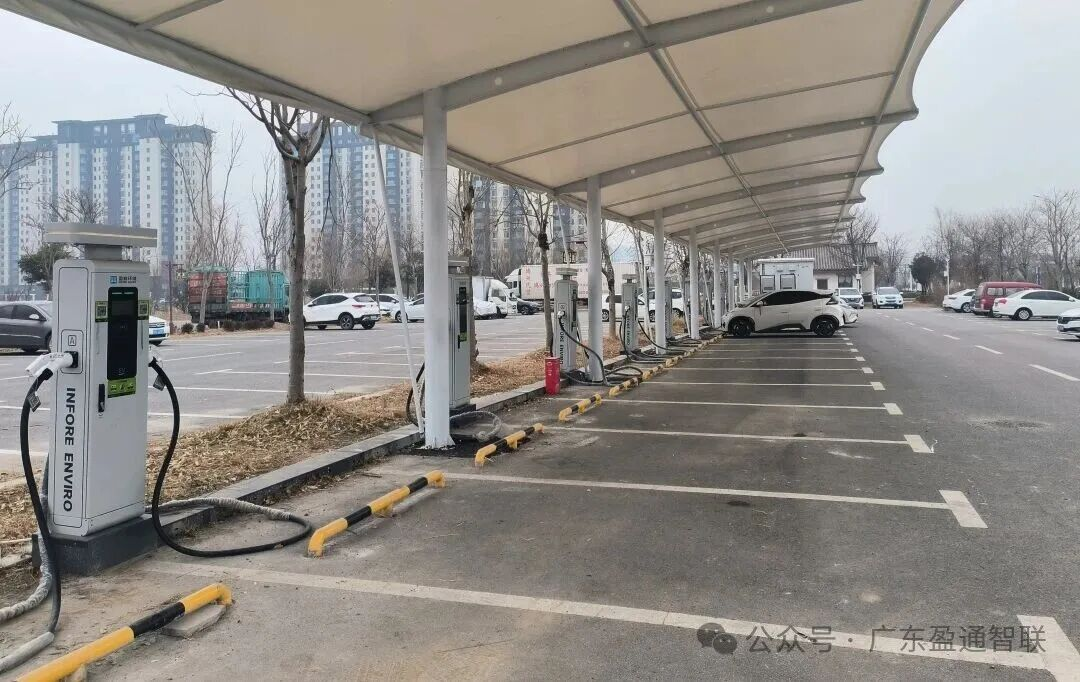
In this issue, Yintong Intelligent Connection starts with the most underestimated yet most problematic part — site leveling works — to break down the key points of charging station infrastructure systems for you.
Why is site leveling considered the “first pitfall” in charging station projects?
To put it simply, site leveling ensures a charging station is stable, well-drained, and capable of bearing heavy vehicles.Improper or inadequate site leveling commonly leads to the following issues:
- Waterlogging on rainy days, making vehicle access difficult
- Local ground settlement, causing uneven stress on charging pile foundations
- Surface cracking and peeling after long-term compression by heavy-duty vehicles
Once these problems occur, they often result in station shutdowns for maintenance, secondary construction, or even full rework.Based on extensive project experience, site-related issues are a typical example of “saving money upfront but paying the highest cost later”.
Heavy-duty truck charging stations and public charging stations have different site requirements.
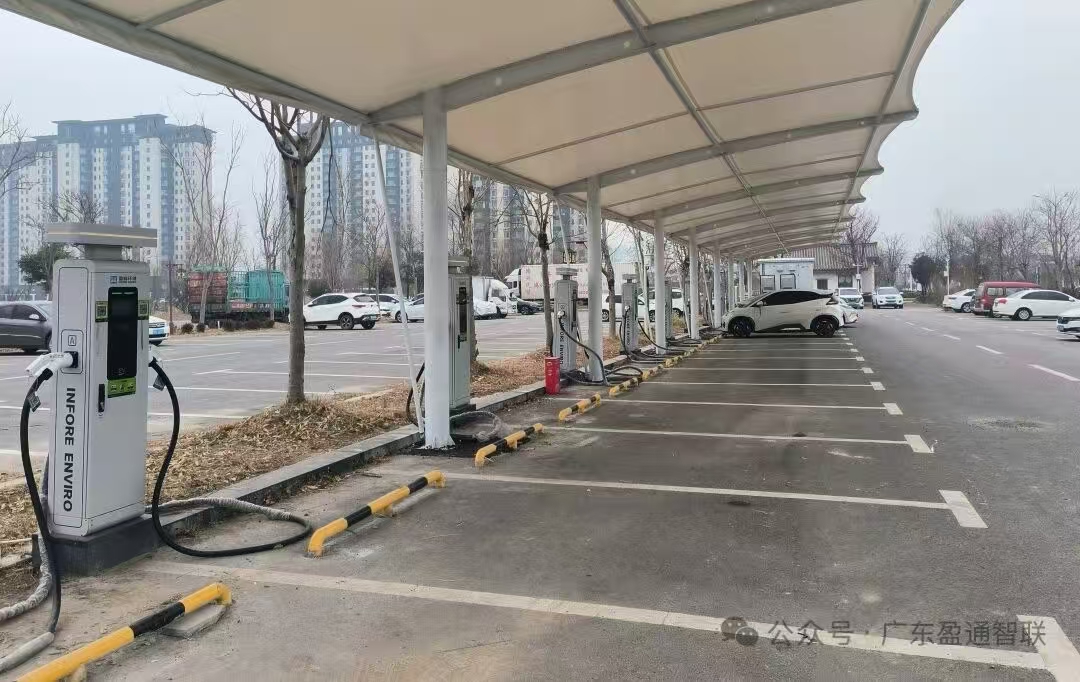
(1)Public Charging StationsPublic charging stations mainly serve taxis, ride-hailing vehicles and logistics vehicles, with the following characteristics:
- High vehicle turnover frequency
- Intensive usage
- High requirements for safety and environmental adaptability
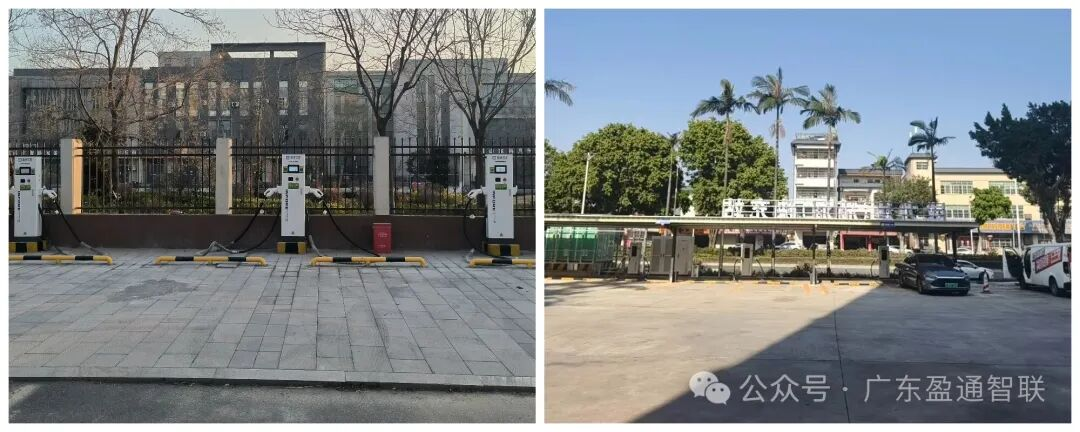
Therefore, ground hardening is generally recommended for public charging stations to ensure long-term stable operation.
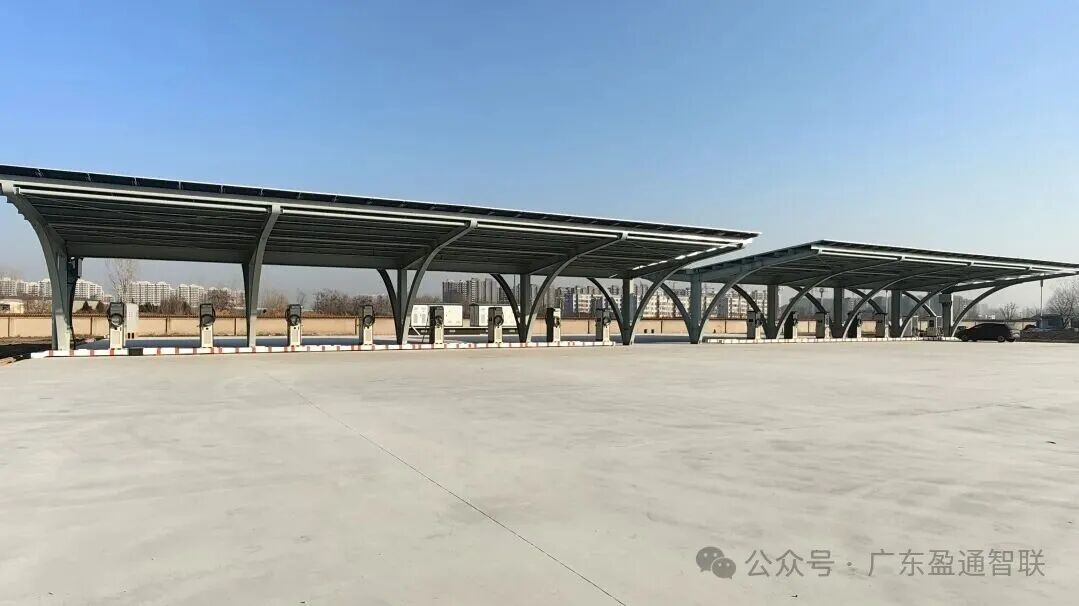
(2) Heavy-duty Truck Charging StationsDue to the large vehicle load and high axle pressure, heavy-duty truck charging stations impose greater damage on the road surface.
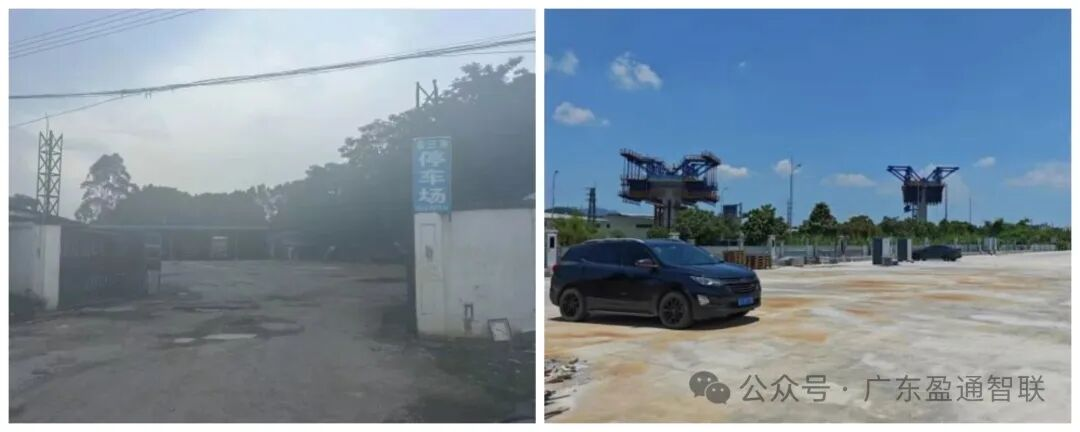
During the site selection phase, both hardened and unhardened sites can be considered, provided that one prerequisite is met: regardless of hardening, the site must be level and the drainage design must be in place.
Key Treatments for Site Hardening in Heavy-Duty Truck Charging Stations
The hardening treatment for heavy-duty truck charging station sites usually adopts a three-layer structure:the original soil layer, high-toughness base layer, and high-strength surface layer.
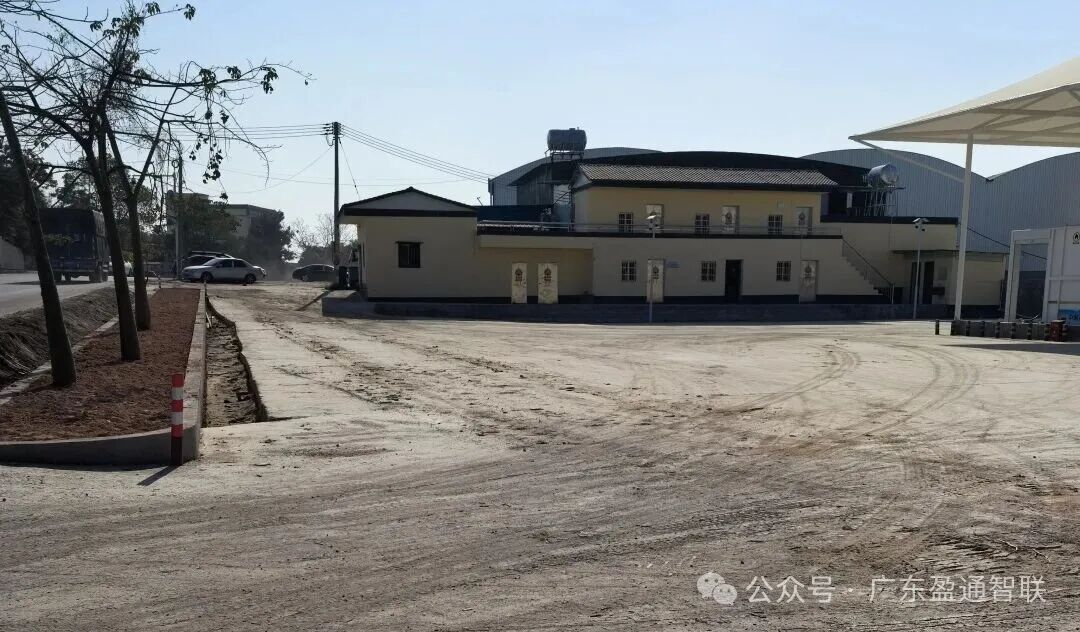
Relevant design and construction can refer to the following standards:
- GB/T 50966-2024 Design Standard for Electric Vehicle Charging Stations
- GB 50010-2010 Code for Design of Concrete Structures
- GB/T 39752-2024 Safety Requirements for Electric Vehicle Power Supply Equipment
- GB 50016-2014 Code for Design of Building Fire Protection
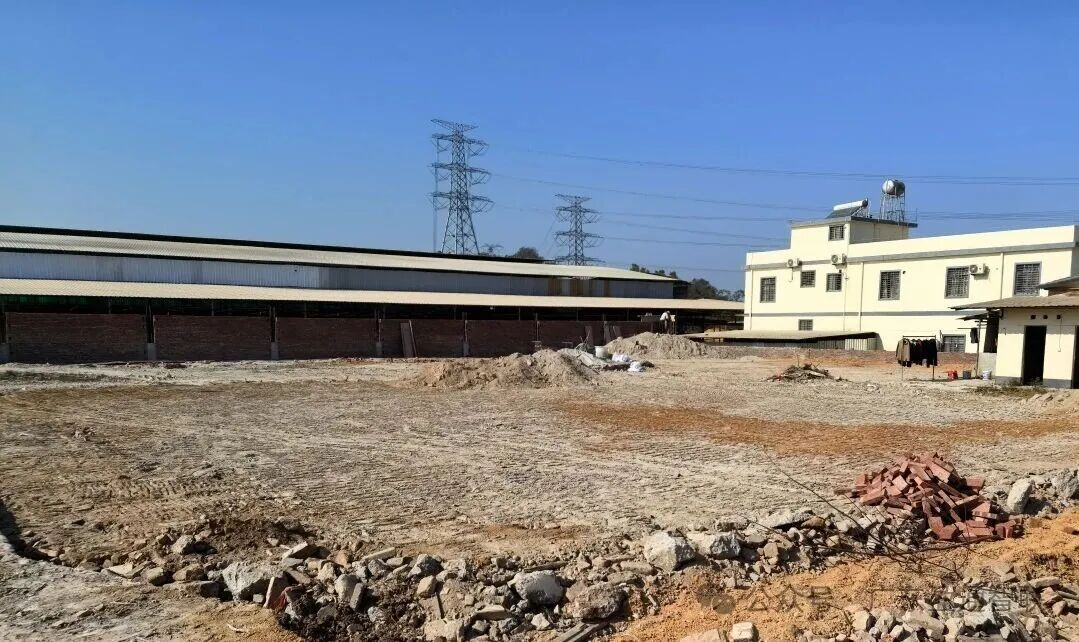
(1) Original Soil Layer TreatmentThoroughly remove debris. If backfilling is required, the backfill shall not contain organic matter, humus soil, or large stones. Upon completion, compact with a heavy-duty road roller and set a drainage slope of 0.3%–0.5% to prevent water accumulation.The characteristic value of foundation bearing capacity is recommended to be no less than 150 kPa.In the case of soft foundations, reinforcement methods such as replacement and filling shall be adopted.
(2) High-Toughness Base Layer TreatmentLay 20–40 mm graded crushed stone or cement-stabilized crushed stone on the foundation, with a general thickness of 15–30 cm, and compact in layers.This layer is designed to effectively distribute the heavy load generated by heavy-duty trucks and structurally prevent settlement.
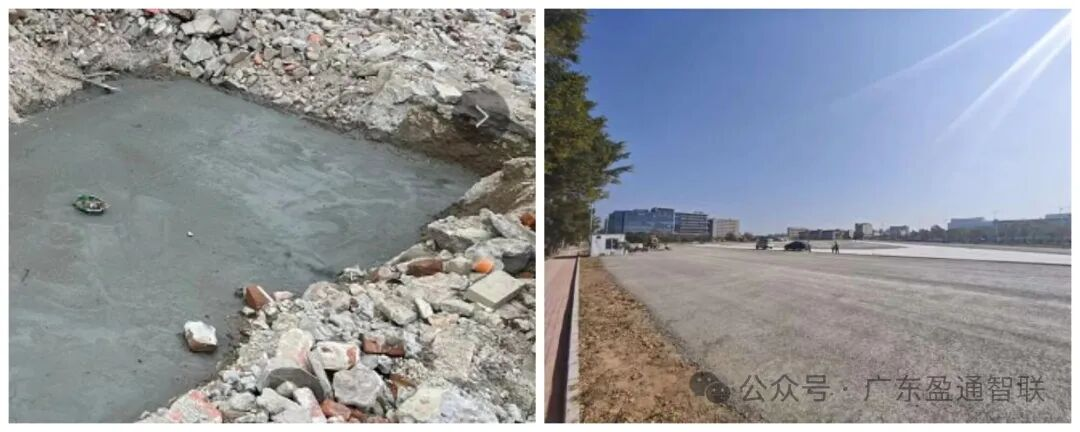
(3) High-Strength Surface Layer Treatment
Two common options are available:
- Asphalt Concrete Surface Layer– short construction period and good driving comfort, but relatively weak long-term durability.
- Reinforced Concrete Surface Layer– generally with a thickness of ≥20 cm, strength grade C30 is recommended, and steel fiber shall be added to improve crack resistance. Expansion joint spacing shall be controlled at 4–6 meters, and the surface shall be roughened to enhance skid resistance.
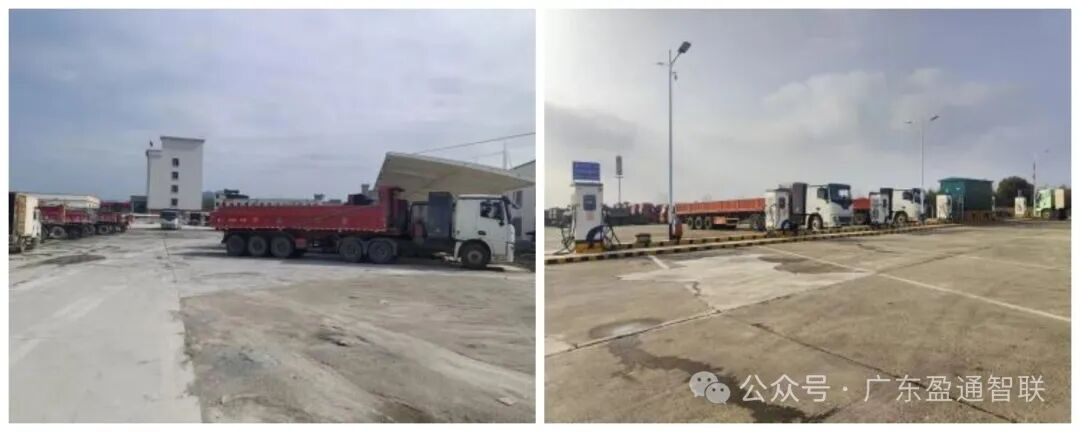
As the direct load-bearing layer, the high-strength surface course must withstand long-term multiple stresses such as vehicle rolling and equipment vibration.
Unhardened solution: It is not infeasible, but entails higher risks.
Unhardened solutions can also be adopted in certain restricted scenarios, such as:
- Short-term or temporary charging stations
- Sandy, gravelly or dense original soil sites with excellent geological conditions
However, special attention should be paid: unhardened solutions have higher requirements for foundation treatment, drainage design and later maintenance.Key control points include:
- Excavate soft soil, replace with suitable fill material and compact in layers
- Strictly control site flatness error within 5 cm
- Drainage slope not less than 5%, equipped with open ditches or underground pipes
Before deciding on an unhardened solution, comprehensive evaluation is recommended on:
- Overall cost: Take into account later maintenance and repair frequency
- Operational risks: Traffic efficiency in rainy days, safety and user experience
Many project practices show that the full life-cycle cost of unhardened solutions within a 2–3 year period is not necessarily lower than that of one-time hardening.
Site Embedding: Far More Important Than You Think.
Before concrete hardening, all types of embedded components must be completed in advance, including:
- Charging pile foundations
- Cable wells and drainage ditches
- Wheel stoppers, anti-collision columns, etc.
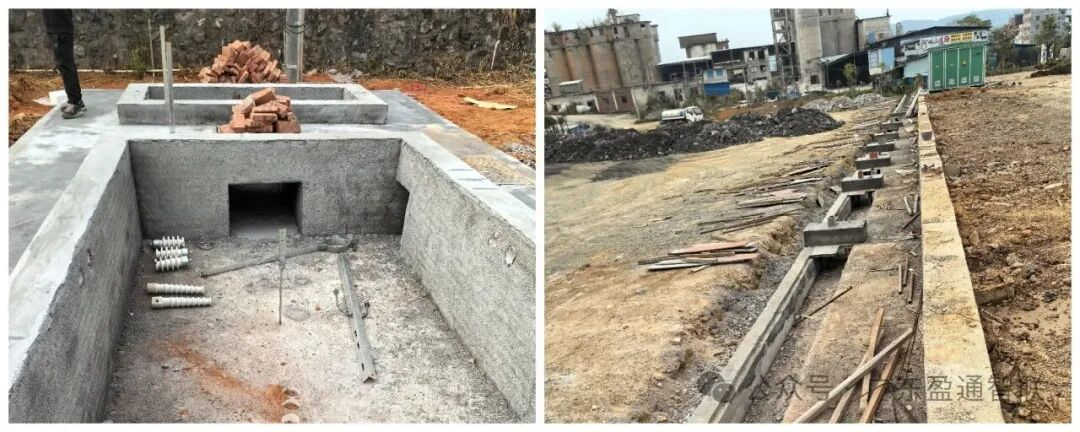
If any item is missed, later slotting and retrofitting will not only compromise structural integrity but also increase costs.
Infrastructure engineering is the first step in charging station construction, yet it is also the most easily underestimated. Only with a solid site foundation can a charging station truly stand firm and operate stably.